When Francisco Soto Mas, MD, PhD, MPH, a professor and researcher at The University of New Mexico College of Population Health (COPH), speaks about the connection between food, agriculture and population health, it’s clear this is more than just an academic interest to him. It’s a vision grounded in over a decade of research and a deep commitment to community well-being.
This year, that vision took a significant leap forward with a new initiative funded by the U.S. Dept. of Agriculture (USDA), called the Partnership for Agricultural Sustainability and Education (PASE).
This three-year grant, the first of its kind awarded to the COPH, supports the creation of a professional certificate program focused on local food systems, sustainability, and environmental conservation, each viewed through the lens of public health.
“This is the first education grant we’ve received from the USDA,” Soto Mas said. “The grant opens the door for integrating research and education and creates a certificate program that prepares students to tackle environmental health challenges that directly affect population well-being.”

Public health is evolving. We can’t just focus on lifestyle change and traditional disease prevention. We need to enable system-level changes, and for that, we must understand how current food systems and the use of natural resources impact our environment and the health of communities, now and for generations to come.
– Francisco Soto Mas, MD, PhD, MPH, UNM College of Population Health
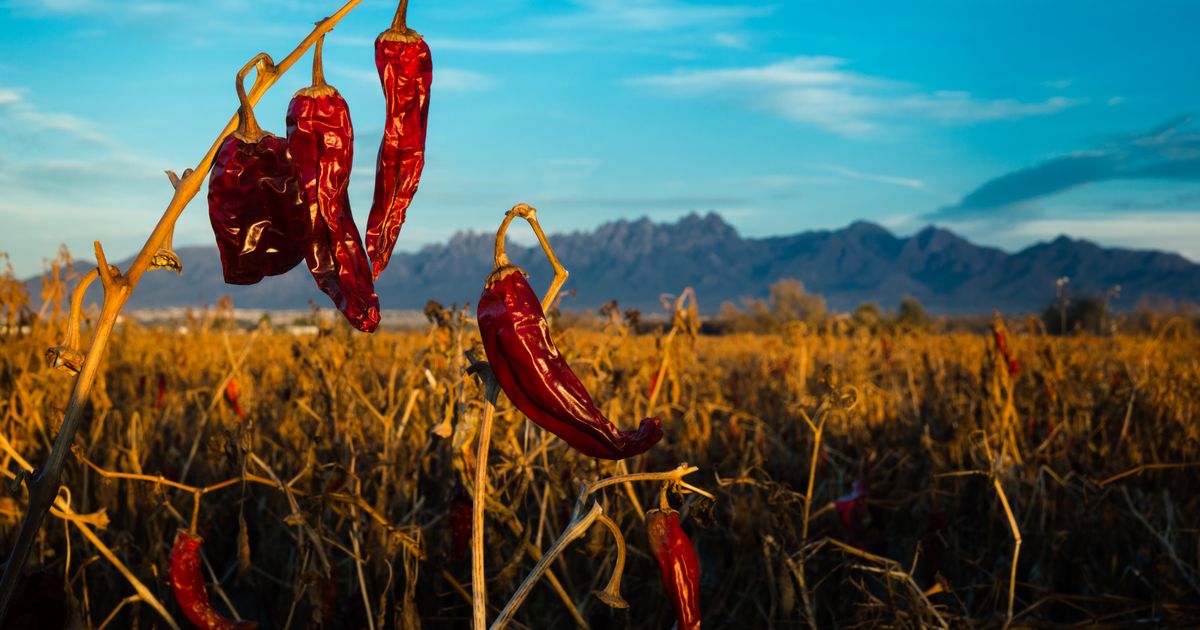
The program builds on more than ten years of research with certified organic farmers in New Mexico, the Southwest region and nationally, where Soto Mas and his colleagues have examined the broader concept of occupational health. They have expanded the traditional paradigm that typically only considers workplace environment and occupational hazards, to also integrate psychosocial and contextual influences.
The PASE program’s curriculum, created in collaboration with UNM’s Sustainability Studies program, is a direct result of this holistic approach, according to Soto Mas.
“What we are doing is adding a public health perspective to strengthen what UNM already has in local food systems and sustainability studies on main campus,” he explained. “Modern agriculture is significantly affecting soil, water and climate, all of which have public health implications. We’re training students to connect food and farming, from production to consumption, with environmental and population-level health outcomes.”
Soto Mas says a related course has already drawn a diverse range of students from across disciplines like biology, community and regional planning, Latin American studies, nutrition, and public health—demonstrating the widespread relevance and appeal of this emerging field.
This certificate is designed as both an entry point for students curious about the intersection of health and the environment and a stepping stone toward more advanced academic or professional pursuits, Soto Mas said.
Looking ahead, Soto Mas envisions even greater impact, from potential undergraduate and graduate degree tracks, to expanded partnerships with federal agencies and a stronger pipeline of professionals ready to address the growing demand for expertise in sustainability, conservation and health equity in agriculture.
“Public health is evolving,” he said. “We can’t just focus on lifestyle change and traditional disease prevention. We need to enable system-level changes, and for that, we must understand how current food systems and the use of natural resources impact our environment and the health of communities, now and for generations to come.”
PASE key personnel include Catherine Day, Laura Nervi and Elizabeth Yakes Jimenez, all with the College of Population Health, as well as Marygold Walsh-Dilley and Jessica Rowland, with Geography and Environmental Studies.
link