The city has brought on a familiar face to serve as an advisor in leading environmental, health, and safety efforts after the tornado.
ST. LOUIS — St. Louis is expanding its tornado relief to include a focus on prioritizing health concerns. The doctor who helped navigate the region during the COVID-19 pandemic is leading the charge. Volunteers are also providing care in the storm zone.
“The roof was out. This was all blown out,” St. Louis nurse Amber Villarreal said looking at the devastation outside her front door.
It’s why she felt compelled to serve as a volunteer in recovery efforts.
“There are people who are coming and telling me that there’s black mold in their home now so one of the things we’re giving to people is big buckets of bleach and sponges to be able to clean up that but also bleach has secondary affects so you want to make sure you’re wearing a mask to protect yourself from the chemical,” she said.
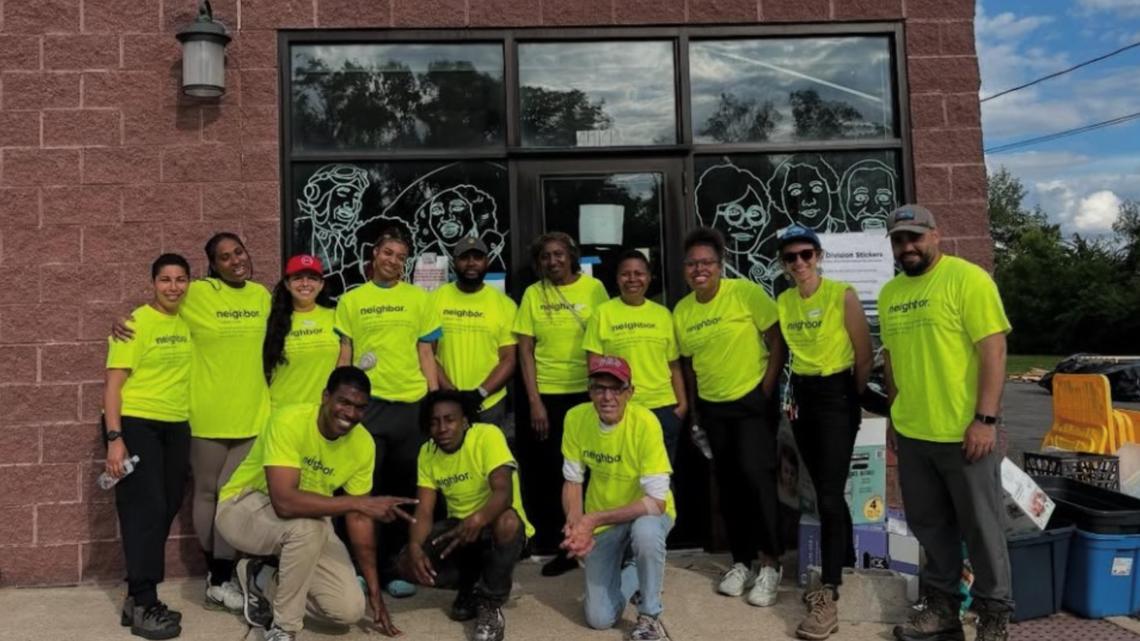
Villarreal is joining in with 4theVille, Invest STL and Dream Builders 4 Equity—all mobilizing to help their fellow neighbors.
“Staying hydrated to prevent dehydration…Also wearing masks in these environments. A lot of buildings have come down that were prior asbestos,” she said.
Those community groups have created an emergency hub at Whittier Street and Martin Luther King Drive where volunteers can stop by this week between 9 a.m. and 5 p.m. They’ve served 3,000 families with cleaning and hygiene supplies, food and water and construction materials.
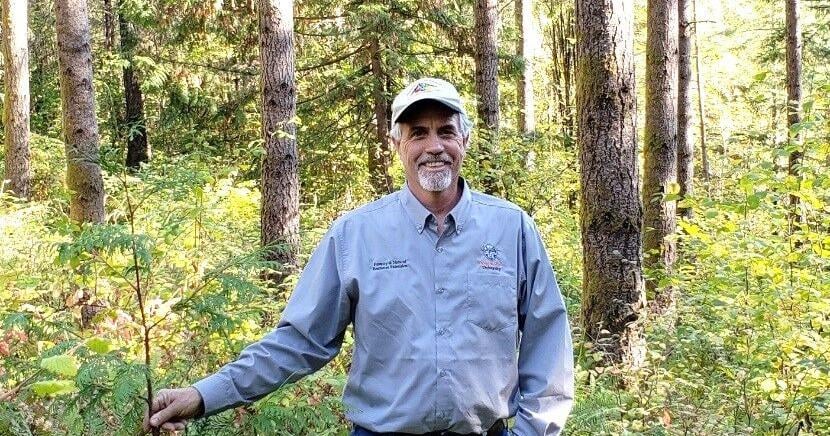
This as the city of St. Louis is now partnering with Dr. Alexander Garza to help navigate environmental, health, and safety issues. Garza helped lead the region’s pandemic response.
“If you’re out, you know, working on clearing debris and get some cuts, scrapes, bumps, and bruises that you don’t have to go to the emergency department, that we can take care of that with emergency medical services,” he said.
He’s working to identify those in storm-damaged areas with chronic conditions to ensure access to care.
“So if you’re talking about people with diabetes, heart condition, asthma, emphysema things like that, where they can get their medications refilled, where they can be seen by a primary care provider, things like that so that their condition isn’t exacerbated… especially as the heat is ramping up, and if people don’t have adequate shelter, then it’s gonna exacerbate some of their conditions as well,” Garza said.
link