
During Radon Action Month, the Huron County Health Department and McLaren Thumb Region are offering free radon test kits in January to help residents detect dangerous indoor radon levels.
January is Radon Action Month, and in recognition of the initiative, the Huron County Health Department and McLaren Thumb Region are offering free radon testing kits to county residents.

Radon is a colorless, odorless and tasteless radioactive gas that produces no immediate symptoms to signal its presence. However, long-term exposure significantly increases the risk of lung cancer, which causes more deaths among men and women than any other type of cancer in the United States, according to the Michigan Department of Environment, Great Lakes and Energy.
Article continues below this ad
“From the result that we’ve seen in the past, we don’t have real high levels of radon throughout the county, but unless you test you don’t know,” said Health Department Health Officer and Environmental Health Director Tip MacGuire. “Radon is colorless and odorless, so unless you test for it there’s no way of knowing it is there.”
Behind smoking, radon is the second-leading cause of lung cancer and is considered the leading environmental cause of cancer deaths in the United States.
The U.S. Environmental Protection Agency estimates radon is responsible for about 20,000 lung cancer deaths nationwide each year. While the risk is higher for smokers, the EPA estimates more than 10% of radon-related lung cancer deaths occur among people who have never smoked.
EGLE is working to raise awareness about the health risks associated with elevated indoor radon levels, promote home testing and encourage residents to take steps to reduce exposure when high levels are identified.
Article continues below this ad
About one in four Michigan homes is expected to have radon levels exceeding the federal action level of 4.0 picocuries per liter. Elevated radon levels have been detected in all 83 Michigan counties. While radon poses a serious health risk to Huron County residents, elevated levels are often easily mitigated.
Radon testing has become increasingly important as more residents work from home and spend additional time indoors.
How the test kits work
The radon test kits provided by the health department come in a simple envelope and include step-by-step instructions. Residents are instructed to place the kit on the lowest livable level of their home, such as a basement, following the included diagram.
Article continues below this ad
Once placed on a flat surface, such as a table or shelf, the kit is opened and left in place for the required amount of time to collect air particles. After the testing period, the kit is sealed and mailed to the laboratory using the prepaid packaging provided. No postage is required.
The laboratory analyzes the sample and sends results directly to the resident, indicating whether radon levels are within a safe range or if further action is recommended.
Testing is the only way to determine whether a radon problem exists. Residents are encouraged to test their homes every two to five years. If a radon mitigation system has been installed, testing is recommended every two years to ensure levels remain within an acceptable range.
Test kits are available year-round from the health department for $11. During January, however, kits are available at no cost. The health department has also partnered with McLaren Thumb Region to distribute free radon test kits throughout the month.
Article continues below this ad
Residents may pick up free kits from the health department’s Environmental Health Division during regular business hours in January, while supplies last. Kits are also available at McLaren Thumb Region on Wednesdays and Thursdays from 9 a.m. to 11 a.m. in the hospital lobby.
Some hardware stores, home improvement centers and other local retailers sell do-it-yourself radon test kits. Professional testing services are also available and are often used during real estate transactions.
If a home’s test result exceeds the federal action level of 4.0 picocuries per liter, MacGuire said residents are encouraged to confirm the finding with a second short-term test or a longer-term test to ensure accuracy.
For homes with radon levels near the action threshold, simple mitigation steps — such as sealing cracks in basement floors or foundations, covering sump pits and sealing other entry points — can help reduce radon infiltration.
Article continues below this ad
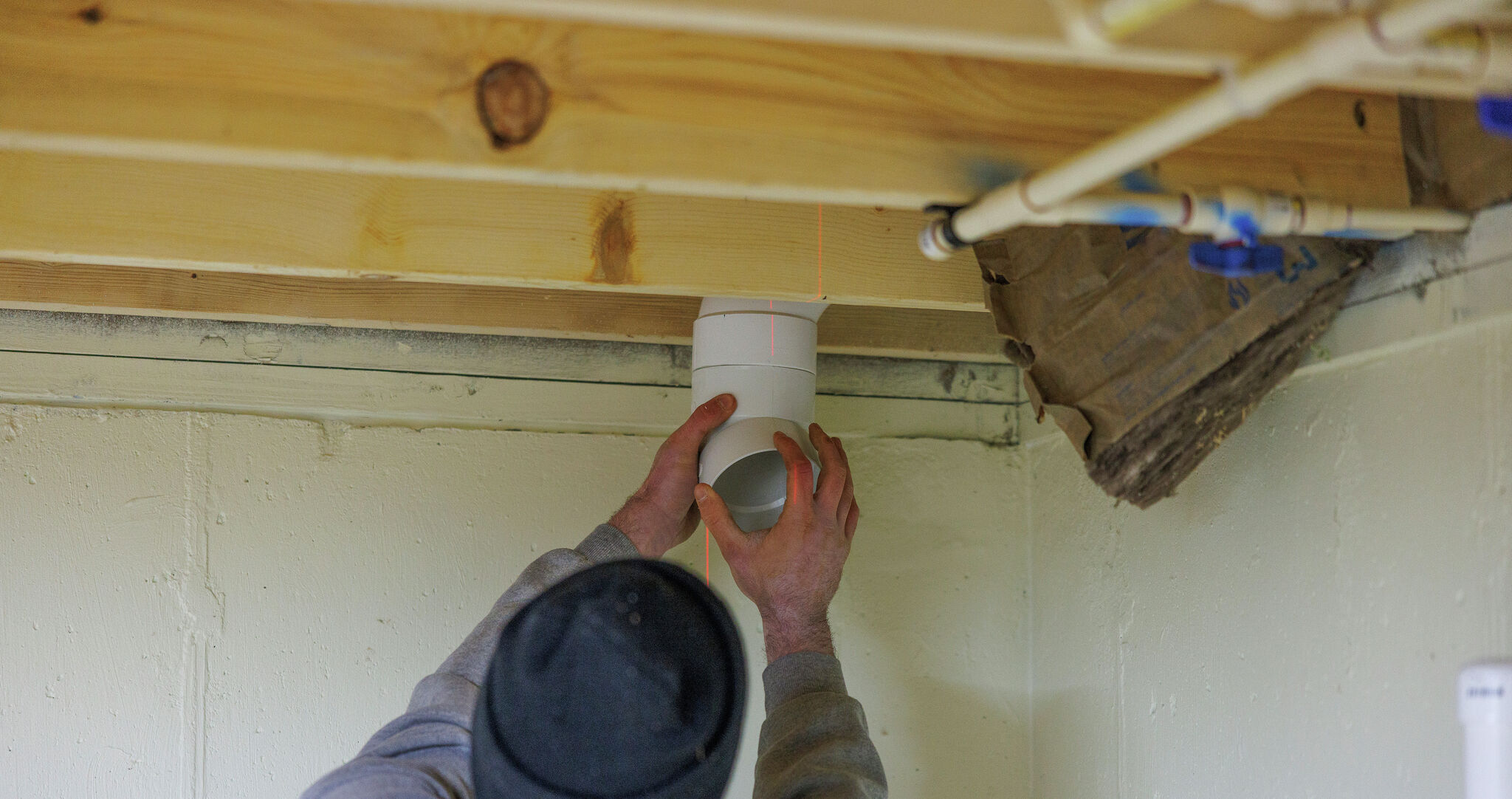
Homes with higher radon concentrations may require more advanced mitigation, typically involving the installation of a ventilation system. In these cases, a contractor drills below the basement floor, seals the area and creates negative pressure beneath the foundation. A fan then pulls radon-laden air from beneath the home and vents it safely outdoors, preventing indoor buildup.
The Health Department is located at 1142 S. Van Dyke Road, Bad Axe, Mich.
For more information about radon, contact the Huron County Health Department at 989-269-3308 or visit www.michigan.gov/radon.
Article continues below this ad
link