When you buy through our links, we may earn a commission. Products or services may be offered by an affiliated entity. Learn more.

Lauren Fountain

|
Medically Reviewed by
Abhinav Singh, MD, MPH, FAASM

Not getting enough rest has a negative impact on your health and physical wellbeing. One outcome of sleep deprivation may be an uptick in the number of calories you consume. Poor diet quality and excessive body weight may also stem from lack of sleep.
The relationship between lack of sleep and eating excessively is likely tied to hormonal functions in the body. Getting a good night’s rest promotes a healthy balance of hormones, including those that regulate appetite, digestion, and metabolism.
Struggling to Stay Awake? Take an At-Home Sleep Test
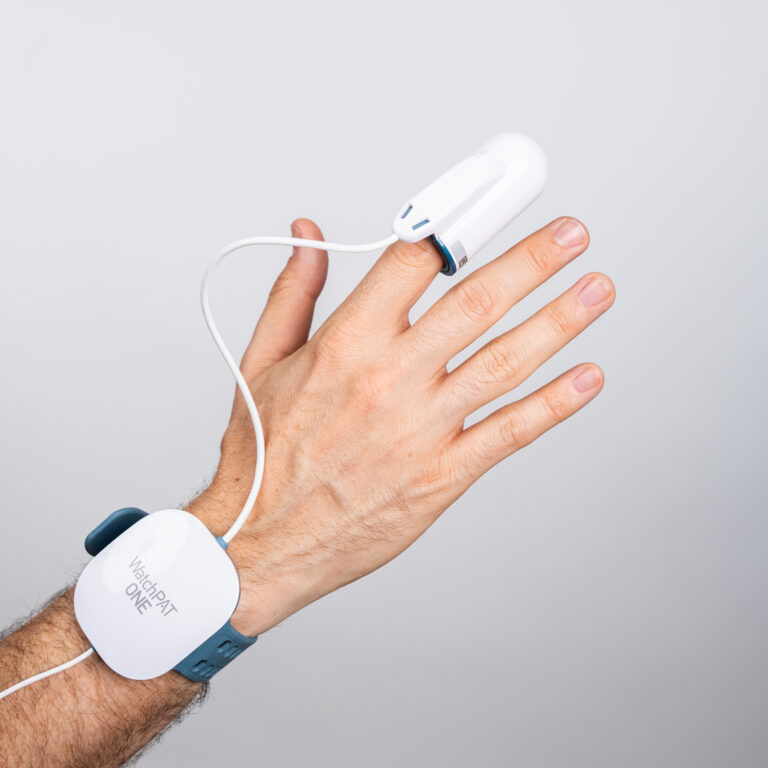
our partner at sleepdoctor.com
Save 10% + FREE 2-Day Shipping
Shop Now
“Truly grateful for this home sleep test. Fair pricing and improved my sleep!”
Dawn G. – Verified Tester

Simple and convenient
It’s simple and convenient
- Equipment delivered to your doorstep
- One overnight test in the comfort of your own bed

Uncover sleep apnea
Uncovers type of sleep apnea
- Quietly collects data while you sleep
- 98% effective in detecting sleep apnea
Affordable & ships fast
Affordable and ships fast
- Arrives in 2-4 business days
- In-lab sleep tests cost ~$3,000+ (this one’s $189), HSA/FSA eligible
How Are Sleep and Appetite Connected?
A good night’s rest promotes healthy production of
hormones that control appetite
Trusted Source
National Library of Medicine, Biotech Information
The National Center for Biotechnology Information advances science and health by providing access to biomedical and genomic information.
View Source
, including leptin and ghrelin. Leptin is a peptide hormone that regulates your body’s energy balance by hindering feelings of hunger and regulating fat storage. Gherin — a hormone
secreted in the stomach
Trusted Source
Wiley Online Library
Wiley Online Library is one of the largest and most authoritative collections of electronic journals published by Wiley, as well as a vast and growing collection of reference works and other books.
View Source
that acts as a counterpart to leptin — boosts appetite, growth, and fat production.
Sufficient, restful sleep allows the body to regulate production of these two hormones, creating a balance of appetite and satiation. Likewise, lack of sleep can create an
imbalance in the body
Trusted Source
National Heart, Lung, and Blood Institute (NHLBI)
The NHLBI is the nation’s leader in the prevention and treatment of heart, lung, blood and sleep disorders.
View Source
that increases ghrelin levels and lowers leptin levels. This can cause you to feel hungrier during the day. This imbalance caused by sleep deprivation may lead to a
higher calorie intake
Trusted Source
National Library of Medicine, Biotech Information
The National Center for Biotechnology Information advances science and health by providing access to biomedical and genomic information.
View Source
during the day.
Additionally, sleep loss can impact how your body reacts to production of insulin, the hormone that regulates blood sugar levels. This can in turn put you at higher risk for diabetes, a disease that alters the way your body
converts food into energy
Trusted Source
Centers for Disease Control and Prevention (CDC)
As the nation’s health protection agency, CDC saves lives and protects people from health threats.
View Source
. Obesity is considered a major predictor for diabetes.
Can Lack of Sleep Make You Eat More?
One recent study
found that partial sleep deprivation did not significantly affect energy expenditure or
resting metabolic rate
Trusted Source
Wiley Online Library
Wiley Online Library is one of the largest and most authoritative collections of electronic journals published by Wiley, as well as a vast and growing collection of reference works and other books.
View Source
, or the amount of calories burned when your body is at rest. However, researchers noted that sleep-deprived people tend to consume less fat and protein while their carbohydrate intake remains stagnant.
Although epidemiological studies point to a link between
lack of sleep and obesity
Trusted Source
National Library of Medicine, Biotech Information
The National Center for Biotechnology Information advances science and health by providing access to biomedical and genomic information.
View Source
, as well as a link between short sleep duration and a high body mass index (BMI), researchers have yet to establish how much sleep deprivation impacts appetite and food desire.
In addition to inhibiting healthy production of leptin and ghrelin, lack of sleep can also lead to feelings of fatigue. People who experience fatigue — particularly
older adults
Trusted Source
Oxford Academic Journals (OUP)
OUP publishes the highest quality journals and delivers this research to the widest possible audience.
View Source
— are less likely to engage in physical activity. Fatigue may also affect BMI.
While sleep duration has been shown to affect appetite and caloric intake, sleep quality is also crucial. Those who sleep poorly, especially women, are more likely to follow a
less healthy diet
Trusted Source
National Library of Medicine, Biotech Information
The National Center for Biotechnology Information advances science and health by providing access to biomedical and genomic information.
View Source
. This puts them at higher risk of cardiovascular disease and obesity.

Can Lack of Sleep Cause You to Not Eat?
Sleep loss has not conclusively been shown to cause lack of appetite. That said, some medical conditions are often characterized by both fatigue and appetite loss. For example,
different types of cancer
Trusted Source
Cancer.net
Cancer.net is the American Society of Clinical Oncology’s patient information website.
View Source
— as well as certain cancer treatment methods — can cause weight loss when the body does not receive enough nutrients and fatigue brought on by muscle loss.
Other conditions that can cause fatigue and loss of appetite include
influenza
Trusted Source
National Center for Biotechnology Information
The National Center for Biotechnology Information advances science and health by providing access to biomedical and genomic information.
View Source
,
food poisoning
Trusted Source
Centers for Disease Control and Prevention (CDC)
As the nation’s health protection agency, CDC saves lives and protects people from health threats.
View Source
,
hay fever
Trusted Source
American College of Allergy, Asthma & Immunology (ACAAI)
The ACAAI is a professional medical organization of more than 6,000 allergists-immunologists and allied health professionals.
View Source
and other allergies,
fibromyalgia
Trusted Source
National Health Service (NHS)
The NHS website for England is the UK’s biggest health website, with more than 50 million visits every month.
View Source
, and
Crohn’s disease
Trusted Source
National Library of Medicine, Biotech Information
The National Center for Biotechnology Information advances science and health by providing access to biomedical and genomic information.
View Source
. Some women also experience fatigue and appetite loss during their
pre-menstrual cycle
Trusted Source
National Library of Medicine, Biotech Information
The National Center for Biotechnology Information advances science and health by providing access to biomedical and genomic information.
View Source
, though conversely, some will increase their intake of certain foods.
If you’re concurrently experiencing fatigue and loss of appetite, there may be an underlying medical condition causing these symptoms. Talk to your doctor about treatment options, and don’t assume you’re eating less simply because you feel tired.

Still have questions? Ask our community!
Join our Sleep Care Community — a trusted hub of sleep health professionals, product specialists, and people just like you. Whether you need expert sleep advice for your insomnia or you’re searching for the perfect mattress, we’ve got you covered. Get personalized guidance from the experts who know sleep best.
link
:max_bytes(150000):strip_icc()/VWH-GettyImages-1488266051-624d29d61d3841d68b68daabf7f5f636.jpg "We Asked a Doctor What to Do If You’re Still Tired After 8 Hours of Sleep")