Learn more about how to detect and help prevent many infectious diseases and the vital role vaccines play in helping prevent spread
June 2, 2025

Infectious diseases are illnesses caused by pathogenic microorganisms such as bacteria, viruses, fungi and parasites that can spread directly or indirectly from one person to another. These diseases can range from mild to severe and can affect various bodily systems, potentially leading to significant health complications and, in some cases, death.
Vaccination is one way we can help protect against certain infectious diseases. The history of vaccines is a remarkable story of scientific innovation and a public health win. Over the years, vaccines have played a critical role in controlling infectious diseases.
However, in recent years, vaccination rates have been declining, which has contributed to outbreaks of some infectious diseases. For example, measles was declared eliminated; yet in 2019, there was a large measles outbreak in the U.S. with 1,274 cases reported across 31 states, which was the greatest number of cases reported in the country since 1992. And as recent as 2025, outbreaks continue to appear in parts of the U.S.
Outbreaks like these are a worrying sign of a heightened risk for the spread of vaccine-preventable diseases.
Information about certain infectious diseases
Hepatitis A | Hepatitis B | Measles | Mumps I Rotavirus I I Rubella
Hepatitis A
The hepatitis A virus is a disease of the liver that spreads when someone ingests the virus, usually through person-to-person contact or by consuming contaminated food or drink. Those infected may feel sick for a few weeks or several months.

Signs and symptoms of hepatitis A
- Dark urine or clay-colored stools
- Feeling tired
- Diarrhea
- Fever
- Joint pain
- Loss of appetite
- Nausea
- Yellow skin or eyes (jaundice)
Potential risks and complications
In rare cases, hepatitis A can cause liver failure and death.
Hepatitis B
A hepatitis B infection is a disease of the liver that’s transmitted when blood, semen or another body fluid from a person infected with the virus enters the body of someone who is uninfected (e.g., during sexual contact or childbirth). The disease can range from a mild, acute illness lasting a few weeks to a serious, long-term, chronic infection.

Signs and symptoms of hepatitis B
- Dark urine or clay-colored stools
- Feeling tired
- Fever
- Joint pain
- Nausea, stomach pain or vomiting
- Nausea
- Yellow skin or eyes (jaundice)
Potential risks and complications
Approximately 15%-25% of people with chronic infection develop chronic liver disease, including cirrhosis, liver failure or liver cancer.
About 9 in 10 infants infected with hepatitis B ultimately develop a chronic infection, with the risk of chronic infection decreasing as the child gets older.
Measles
Measles is highly contagious and can cause serious health complications, especially in children younger than 5 years old. The disease spreads through the air when an infected person coughs or sneezes, with symptoms appearing seven to 14 days after contact with the virus.
By 2000, due to effective use of vaccines, measles was essentially eliminated from the U.S., however, outbreaks continue to occur.
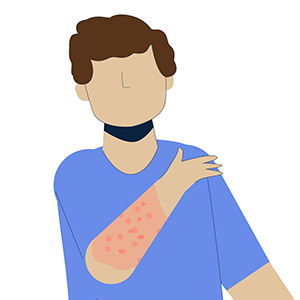
Signs and symptoms of measles
- Fever
- Cough
- Runny nose
- Red, watery eyes
- Spots in mouth
- Rash
Potential risks and complications
Complications from measles include ear infections in about 1 in 10 children and diarrhea in fewer than 1 in 10 cases. Some children may suffer from severe complications, such as pneumonia (infection of the lungs) and encephalitis (infection of the brain).
Back to top
Mumps
Mumps is caused by a virus that affects the salivary glands. The disease spreads through direct contact with saliva or respiratory droplets from the mouth, nose or throat. It can take two to four weeks for signs of infection to show.
Before a vaccine was available, mumps was the most common cause of acquired deafness in the U.S.
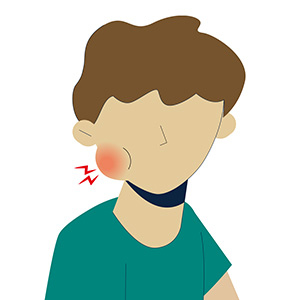
Signs and symptoms of mumps
- Puffy cheeks and a tender, swollen jaw
- Fever
- Headache
- Muscle aches
- Tiredness
- Loss of appetite
Potential risks and complications
Although rare, mumps can cause serious complications, which include inflammation of the testicles (a condition known as orchitis).
Rotavirus
Rotavirus commonly spreads in families, hospitals and child care centers with symptoms usually starting about two days after a person is exposed to the virus. Some symptoms can last three to eight days.
Before a vaccine was available, many children who became ill with rotavirus were hospitalized. Now, 94% to 96% of vaccinated children are protected from hospitalization.

Signs and symptoms of rotavirus
- Severe watery diarrhea
- Vomiting
- Fever
- Stomach pain
- Dehydration
- Loss of appetite
Potential risks and complications
Although usually self-limiting, severe illness can result in dehydration with shock or, on rare occasions, even death.
Rubella
Rubella, also known as German measles, spreads when an infected person coughs or sneezes. The disease is usually mild with few noticeable symptoms.
About 25 to 50% of people infected with rubella will not experience symptoms but will still be at risk of spreading the infection to others.
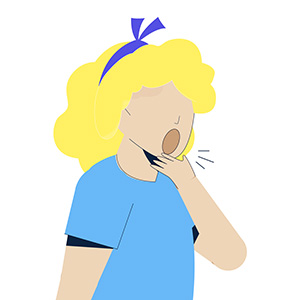
Signs and symptoms of rubella
- Fever
- Headache
- Mild pink eye (redness or swelling of the white of the eye)
- General discomfort
- Swollen and enlarged lymph nodes
- Cough
- Runny nose
Potential risks and complications
Rubella is especially dangerous to developing babies during pregnancy. If you’re pregnant and become infected with rubella, there’s an increased risk of having a miscarriage or the baby dying just after birth. The virus can also be passed on to the baby, who may develop congenital rubella syndrome, which includes birth defects such as heart problems, hearing and/or vision problems or developmental delays.
Understanding disease prevention

History shows that vaccines are one of the most effective ways to help protect yourself and your family from many preventable diseases.
By ensuring you and your family are up to date on vaccines, you can help protect yourself and your loved ones from a variety of infectious diseases.
Talk to your health care provider about appropriate vaccines for you and your family.
link