The S.C. House has approved legislation that would fast-track the buildout of gas plants and pipelines in our state, strip away protections for ratepayers and natural resources, and prioritize the profits of utilities over the well-being of South Carolinians. This same legislation was halted last year by the Senate, which wisely committed to study the issue.
Sadly, the House has doubled down on its reckless ideas, and utilities remain determined to construct an enormous gas-fired power plant and the pipeline needed to serve it in Canadys, along the banks of the Edisto River, one of our state’s only remaining wild rivers.
This rush to build gas infrastructure poses significant risk to the financial and physical health of South Carolinians. When utilities buy gas to run their power plants, those costs are passed on to their customers, meaning customers — not the utilities — are on the hook when prices go up. As The Post and Courier’s John McDermott reports, Santee Cooper has negotiated a second rate increase on customers this year, largely due to massive spikes in the price of gas and fuel in 2021 and 2022.

Robby Maynor
In that time, Dominion and Duke Energy customers also saw bill increases ranging from 16% to 22% because of the high cost to run gas and coal plants. Unfortunately, there’s more to come, with the latest assessment from the U.S. Energy Information Administration predicting that gas prices will rise 21% in 2025. Gas prices are notoriously volatile, and overinvesting in gas infrastructure would leave S.C. ratepayers vulnerable to fluctuating fuel prices and high energy bills.
Why would utilities double down on gas if prices are unpredictable? The answer is simple: Utilities profit from building new infrastructure, and they influence laws and regulations to pass off all of the risks to electric customers.
While building more gas might be better for the bottom line of utility companies, overreliance on gas, or any single type of energy generation, makes our bills fluctuate and our energy grid more vulnerable to failure, be it from fuel shortages or extreme weather. We need a balanced mix of energy sources to keep our bills stable and ensure grid resilience and reliability. Balanced legislation should include firm targets for bringing cost-effective clean energy and storage onto the grid, more robust transmission planning, cost-effective energy efficiency programs and options for large energy users such as data centers to access and invest in clean energy.
In addition to the risks that gas poses to our wallets, it also poses serious risks to our health and environment. What is often referred to as “natural gas” is made up mostly of methane, which is a fossil fuel, like coal and oil. When this gas is burned in power plants to create electricity, it creates emissions that pollute our air and negatively impact the cardiovascular, respiratory and neurological health of people in nearby communities.
Compressor stations located along the pipelines required to serve these facilities also emit air pollutants and pose additional risks. Although proponents of gas argue that it is less harmful than coal, it is by no means “clean” or free from impacts to the health of nearby communities. Other options exist today and should play a major role in our energy future, including better energy-efficiency programs to reduce the need for more generation, as well as adding more solar and storage to our energy mix.
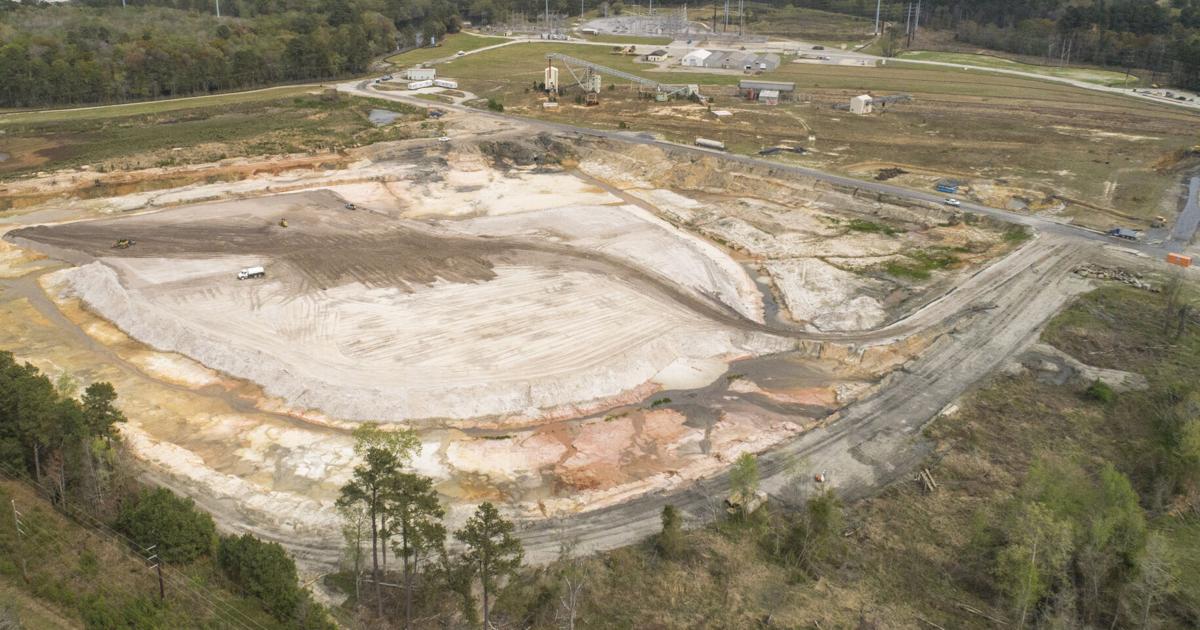
The Canadys community in rural Colleton County, where utilities hope to construct a massive new gas plant, already has dealt with far more than its fair share of pollution. For decades, residents lived in the shadow of a coal plant that polluted their air, along with the water of the nearby Edisto River. The plant was closed in 2013, but now utilities want to come back to this same rural community and construct another polluting facility.
Additionally, the pipeline that would have to be constructed to serve this facility would have to plow through the ACE Basin, impacting wetlands, rivers and forests. Utilities still have not revealed exactly where this pipeline would go, or how much it would cost ratepayers to build. To make matters worse, the House legislation would reduce oversight of impacts to natural resources by placing unreasonable timelines on the permitting processes that protect the rivers, streams and woods that provide South Carolinians with opportunities to maintain our cultural heritage through hunting, fishing and other forms of outdoor recreation.
Fortunately, there is still an opportunity to right the ship. Last year, the Senate wisely put the brakes on this reckless legislation and formed a special committee to thoroughly understand the real energy needs of South Carolina going forward. Now, we must contact our Senate leaders and encourage them once again to reject the House legislation and put forward more balanced legislation that prioritizes the well-being of South Carolina over utility profits and charts a path toward a bright, resilient and affordable energy future.
Robby Maynor is a Southern Environmental Law Center climate campaign associate.
link