- Around 270,000 children under the age of 5 die every year from breathing wildfire smoke, with 99% of these deaths occurring in low- and middle-income countries (LMICs), according to scientists.
- Despite a lack of extensive research on how wildfire smoke affects children’s health, recent studies have found a range of physical and mental impacts, starting in utero and continuing through adolescence. This research offers valuable evidence of a worsening global public health crisis driven by climate change-intensified wildfires.
- Researchers emphasize that children are especially susceptible to harm from wildfire smoke due to their physiology and tendency to spend more time outdoors. Also, not all smoke is the same. Combustion of different materials, ranging from plants to plastics, creates a complex mix of pollutants whose health impacts vary.
- Health experts stress that while smoke crosses borders, protections often don’t. More global research, better monitoring and action are urgently needed to protect children and other vulnerable populations from wildfire smoke.
As record wildfires erupt across Canada this year, with health-threatening smoke drifting into the U.S. and as far away as Europe — and with wildfires in 2024 becoming the leading driver of tropical forest loss for the first time in history — a disturbing childhood statistic requires urgent attention by parents and caregivers across the world.
Approximately 270,000 children under the age of 5 die each year after breathing in wildfire smoke, according to UNICEF’s Children’s Environmental Health Collaborative. Many more suffer lingering disabilities. And these grim vulnerabilities are only likely to worsen, as global warming makes wildfires more numerous, intense and deadly.
The high mortality and injury rates among youth globally are largely due to physiology and exposure: “Children have higher breathing rates, so they inhale more pollutants per hour,” said Ariadna Curto, an environmental epidemiologist and postdoctoral researcher at the Barcelona Institute for Global Health in Spain.
“Their airways are smaller and they tend to spend more time outdoors than indoors, so they are vulnerable to the effects of pollution.”
Extensive research is lacking on wildfire smoke impacts on this young demographic, but scientists are now amassing an alarming body of evidence delineating physical, developmental and mental health effects. Starting in utero and continuing through adolescence, wildfire smoke exposure is looming as a global children’s health crisis.
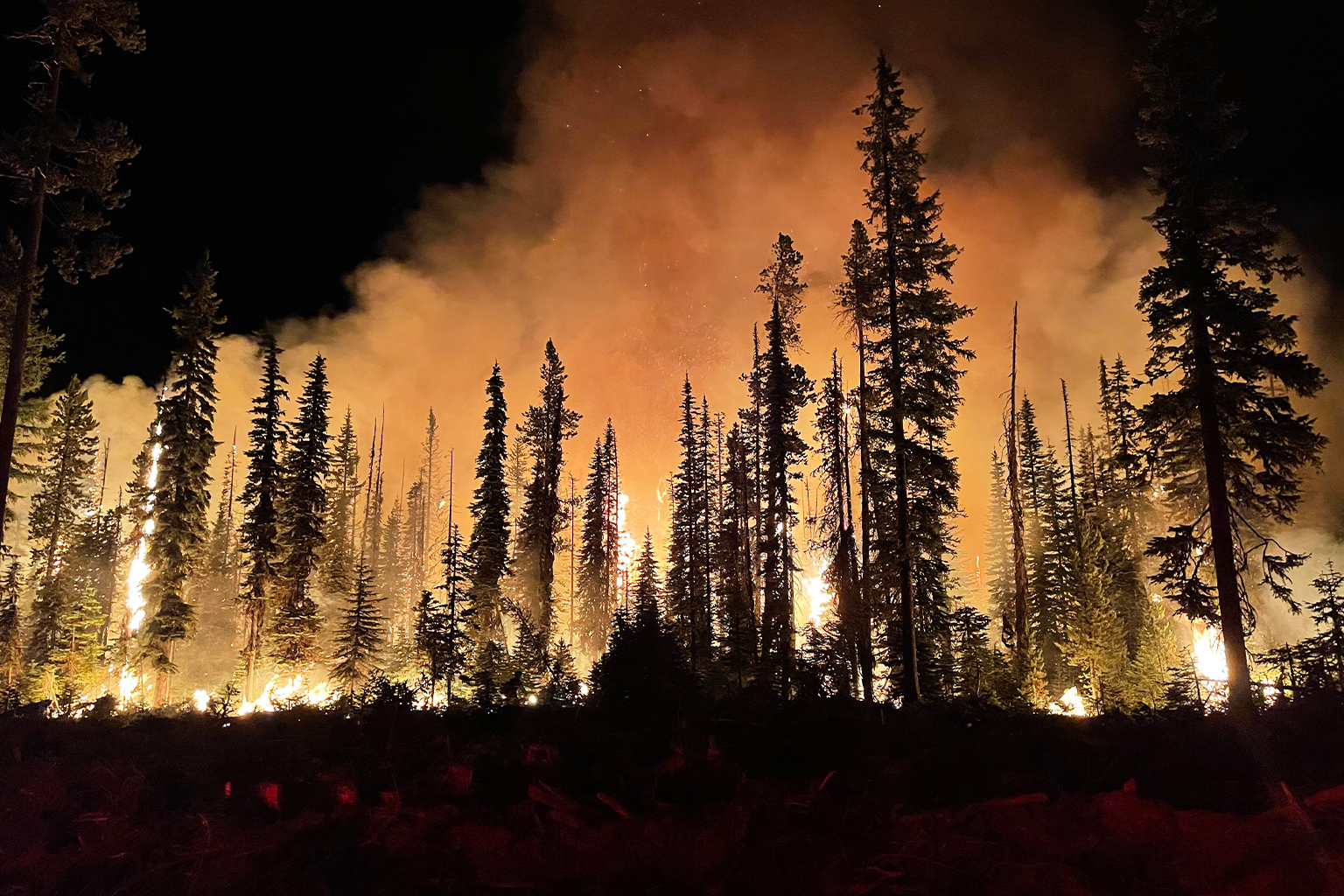
Young people in harm’s way
When evaluating the threat of smoke inhalation, people need to understand one key fact: “Children and adolescents are not little adults,” a U.S. pediatrics research team notes. “They have unique physiology that places them at higher risk for exposures to environmental contaminants and for adverse health impacts.”
Children’s smaller (and still developing) lungs absorb the fine PM2.5 particulate matter typically found in smoke more readily into their respiratory tract and bloodstream. Their nasal filtering mechanisms are also less efficient than those of adults, and their immune systems are more prone to infection and inflammation. Because children tend to be more active outdoors, exposure exacerbates all these harms.
While air pollution from fossil fuel combustion also poses significant risk to young people, a team from Stanford University in the U.S. suggests that wildfire smoke is 10 times more harmful to human health than other air pollution sources.
“Acutely, we see more children showing up in our emergency room with asthma, wheezing, bronchitis and pneumonia,” said Lisa Patel, a pediatrics professor at Stanford and lead author of a report detailing wildfire impacts on children’s health. “While we don’t know the long-term outcomes for what these repeated [smoke] exposures mean for children, each new study that comes out should increase our concern.”
That harm begins well before birth. It’s now widely known in the health science community that mothers exposed to wildfire smoke in the first few months of pregnancy are at greater risk of having babies with lower birth weight. More recent studies uncovered other first-trimester threats, including a higher chance of preterm birth, significant reductions in body height, and a 43% increased risk of being born with spina bifida, a condition where a baby’s spinal cord fails to form properly, leading to short- and long-term health and mobility issues.

Recent postnatal research is also concerning: A Belgian study found black carbon particles in human breast milk, raising concerns that wildfire contaminants could interfere with an infant’s immune system, organ and brain development.
South American researchers reviewed past health records and found that wildfire-exposed children in central Chile have a higher risk of bronchitis, chronic lower respiratory diseases and pneumonia.
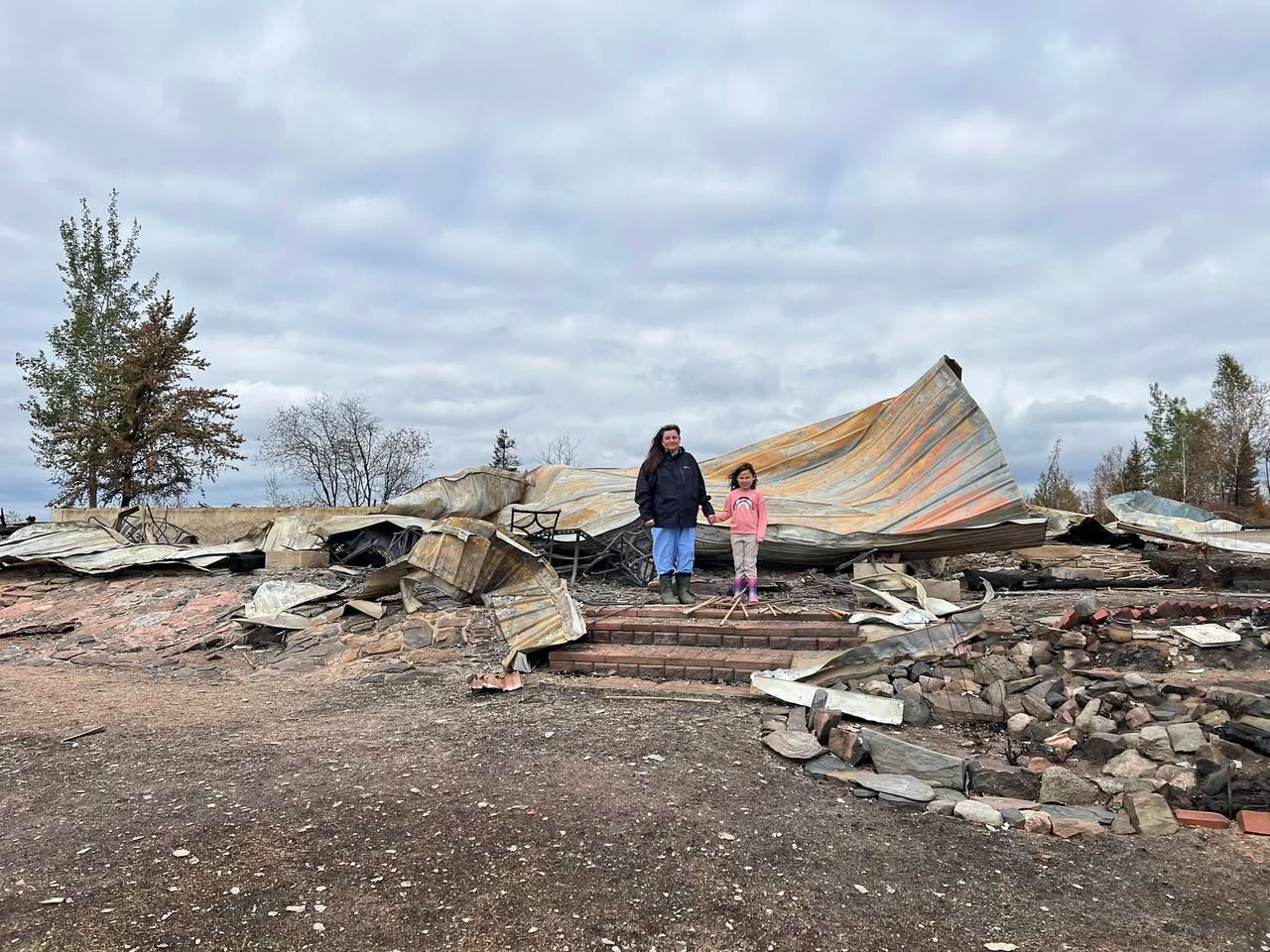
And in Alberta, Canada, 18 months after the 2016 Fort McMurray wildfire — a blaze so destructive it is known today as “The Beast” — 37% of students aged 11-19 were diagnosed with probable PTSD, while 31% had possible depression (rates far higher than the national average of 15.5% and 4-8% respectively).
Perhaps most alarming is that respiratory illness remains the leading cause of death for children under 5 worldwide, claiming 4.3 million lives each year — or about 12,000 every day. Wildfire smoke is a significant contributing culprit.
Today, “The global mortality burden attributable to landscape fire smoke is … estimated to be [680,000] deaths, with almost [270,000] of these deaths occurring in children younger than five years,” according to a 2021 study by researchers in China and the U.K.
99% of fire-attributed child deaths occur in poorer nations
There is some good news: Globally, child mortality has decreased significantly. Thanks to improved access to health care, vaccines and antibiotics, clean water, better nutrition and sanitation, the number of children under 5 who die annually dropped from 12.6 million in 1990 to 4.8 million in 2023, a 60% decrease in 25 years.
However, around 14,000 children still die every day, largely from preventable causes. Importantly, where those kids live matters. The risk of dying before the age of 5 is 80 times higher in a low- or middle-income country (LMIC) than in a higher-income one. That story plays out similarly when it comes to deaths caused by wildfire smoke. Of the estimated quarter-million children under 5 who die annually from breathing wildfire smoke, most deaths occur in LMICs, which is also where most of the world’s fires are happening.
“Although wildfires in high-income countries attract much media attention, low- and middle-income countries … experience the greatest landscape fire activity by far,” said Tao Xue, lead author of the 2021 study produced by the Peking University Health Science Centre at Beijing University. Xue’s paper notes that 70% of globally burned area occurred in Africa (especially in the Congo Basin), while a significant portion also occurred in the Amazon Rainforest and parts of East and Southeast Asia (particularly Indonesia).
Xue and his co-authors examined the deaths of more than 500,000 children under the age of 18 and found that children in less-developed nations bear the greatest burden of disease, including deaths caused by smoke inhalation.
“We found that over 99% of fire-associated child deaths occurred in LMICs,” the authors wrote. And of the 500,000 smoke-caused death records the researchers reviewed, 83% occurred in just five countries: Nigeria, the Democratic Republic of Congo, India, Uganda and Indonesia.
Understanding the disproportionate mortality burden faced by young children in LMICs is something researchers like Xue say they hope will attract more attention and resources.


Mozambique: A smoke and children’s health case study
Africa, sometimes referred to as the “fire continent,” accounts for the majority of global burning — mainly due to grassland, shrubland and agricultural fires, along with forest fires caused primarily by land clearing and, to a lesser but growing extent, by global heating and drought due to climate change.
Because fires in low-income countries tend to be less intense in size and direct impact, especially regarding loss of property or lives, they don’t get the health attention they deserve, environmental epidemiologist Curto told Mongabay: “The data is clear. Sub-Saharan Africa is burning fast.
“All children are vulnerable to the effects of air pollution, but children from the [Global] South face greater risks,” she said. A variety of “extra factors” make this so, she said, including “Socioeconomic inequality, pre-existing chronic conditions, and fewer resources to adapt and less support.”
When Curto and her colleague Jovito Nunes learned of a robust data set from the Manhiça Health Research Centre (CISM), a biomedical research organization in southern Mozambique, they decided to study the issue in depth.
“In the south of Mozambique since the ’90s, they have recorded all hospitalizations of children under 15 years old. It’s super valuable information that has been exploited a lot, but not environmentally,” Curto said. To her knowledge, no other studies have directly examined fire exposure and child morbidity in low- or lower-middle-income countries.

“We were the first to conduct this study in a low-income country. The data was there, the research question was there, so it was a timely and valuable opportunity,” she said. “We found that on days with more fire activity, more children went to the hospital that same day or a day later for all causes, and specifically for respiratory causes.”
Mozambique ranks among the top 15 countries worldwide for the highest number of child deaths linked to smoke from landscape fires. Between 2000 and 2014, more than 15,000 children died from this exposure in just one district, or about three children every day.
Curto and Nunes also discovered that hospital visits correlated more strongly with cropland fires than forest fires, despite forest fires occurring more often. Curto said this makes sense because cropland fires take place closer to where people live, and because the smoke they produce can be more toxic, containing volatile compounds such as carbon monoxide and formaldehyde, and pesticide residues.
“We found that cropland fires have a stronger health effect than forest fires,” Curto said, adding that one of the country’s largest sugarcane plantations, where field burning is common, is near the CISM facility.
Curto said she hopes her research encourages Mozambique and other nations to keep fires under better control and consider investing in affordable, culturally acceptable alternatives to burning of croplands, if and where possible. A major concern: Wildfires driven by human-caused climate change are expected to surge in frequency and intensity in the region and globally.
Curto encouraged researchers from other African countries to study their own local impacts, and said she hopes people living in wealthier nations recognize the critical need to support cross-border policies and resources that support air quality monitoring in low- and middle-income countries.
“It’s concerning that all of the U.S. embassies are cutting air pollution monitoring in Africa, where the data gap is huge,” Curto said. “Continued monitoring is crucial.” U.S. President Donald Trump’s dismantling of USAID programs is expected to increase child mortality in the developing world.
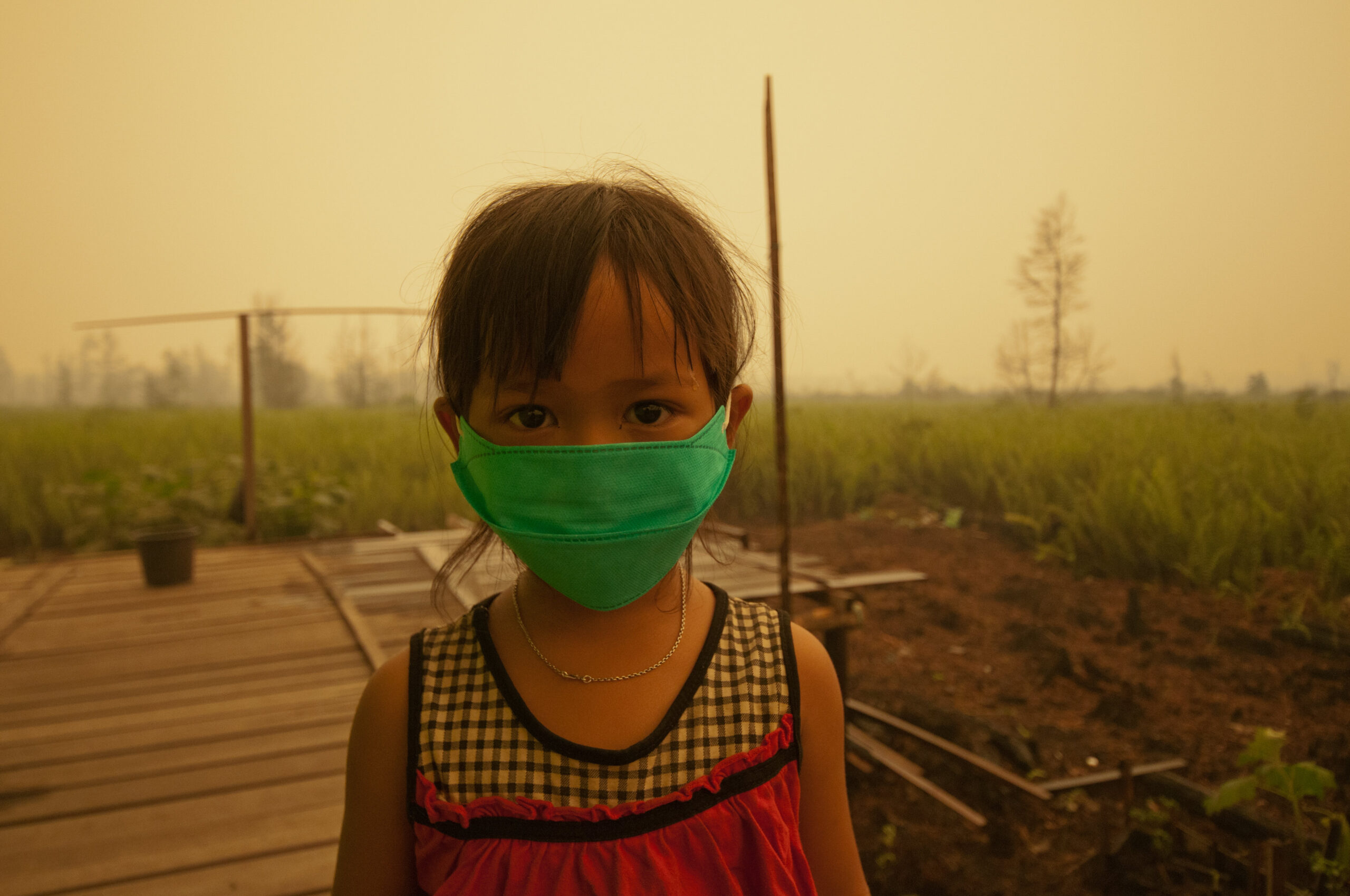
What exactly are kids breathing? It depends …
Child health impacts and mortality due to wildfire smoke exposure aren’t just regionally dependent. Deaths and injury also vary by what’s burning and particularly the composition of the smoke.
“Air pollution is this very big kind of environmental determinant of health,” Rima Habre, an environmental health scientist in Los Angeles, California, told Mongabay. But “It’s complex” not only because it “affects everyone across the globe with no boundaries,” but also because smoke’s chemical composition varies wildly. “How do you monitor that chemical mix,” Habre said, “especially depending on what’s burning?”
Combustion of all sorts releases greenhouse gases like carbon dioxide and nitrous oxides. But some pollutants, like sulfur dioxide, are more water-soluble and are absorbed more easily by the lungs, while others are transformed by sunlight or other pollutants into ozone and other unhealthy gases, adding stress to hearts and lungs.
The ash left behind by a wildfire varies with fuel type and fire intensity. Heavy black ash tends to settle in water (which it pollutes), while fine white ash can carry phosphates, chlorides and even heavy metals into the air (which can be breathed). In one study, ash from a burned oak forest in California contained elevated levels of arsenic and mercury.
Particle size matters too — a lot: Very small particulate matter common in smoke, technically designated as PM2.5, can work its way deep into the lungs and enter the bloodstream, causing inflammation and exacerbating or triggering a range of diseases.
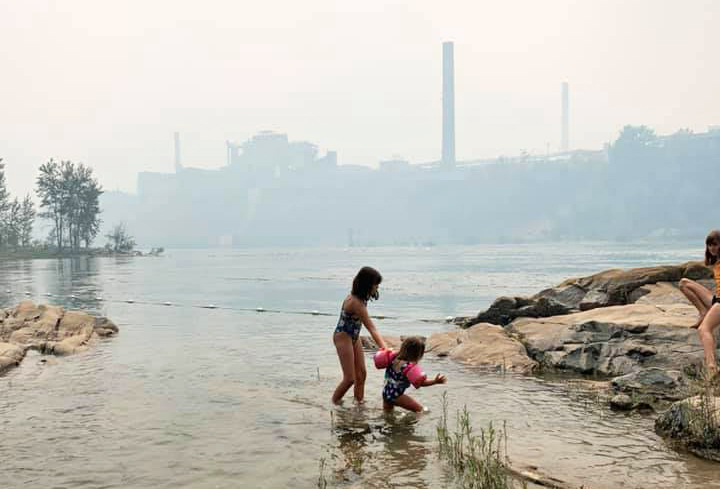
Even soils matter. Wildfires disrupt soil microbes that can spread disease. Burning plants can also release bacterial cells and fungal spores into the air. Some, like the soil-dwelling fungus Coccidioides (the source of so-called “Valley fever”), can become airborne and cause serious infections.
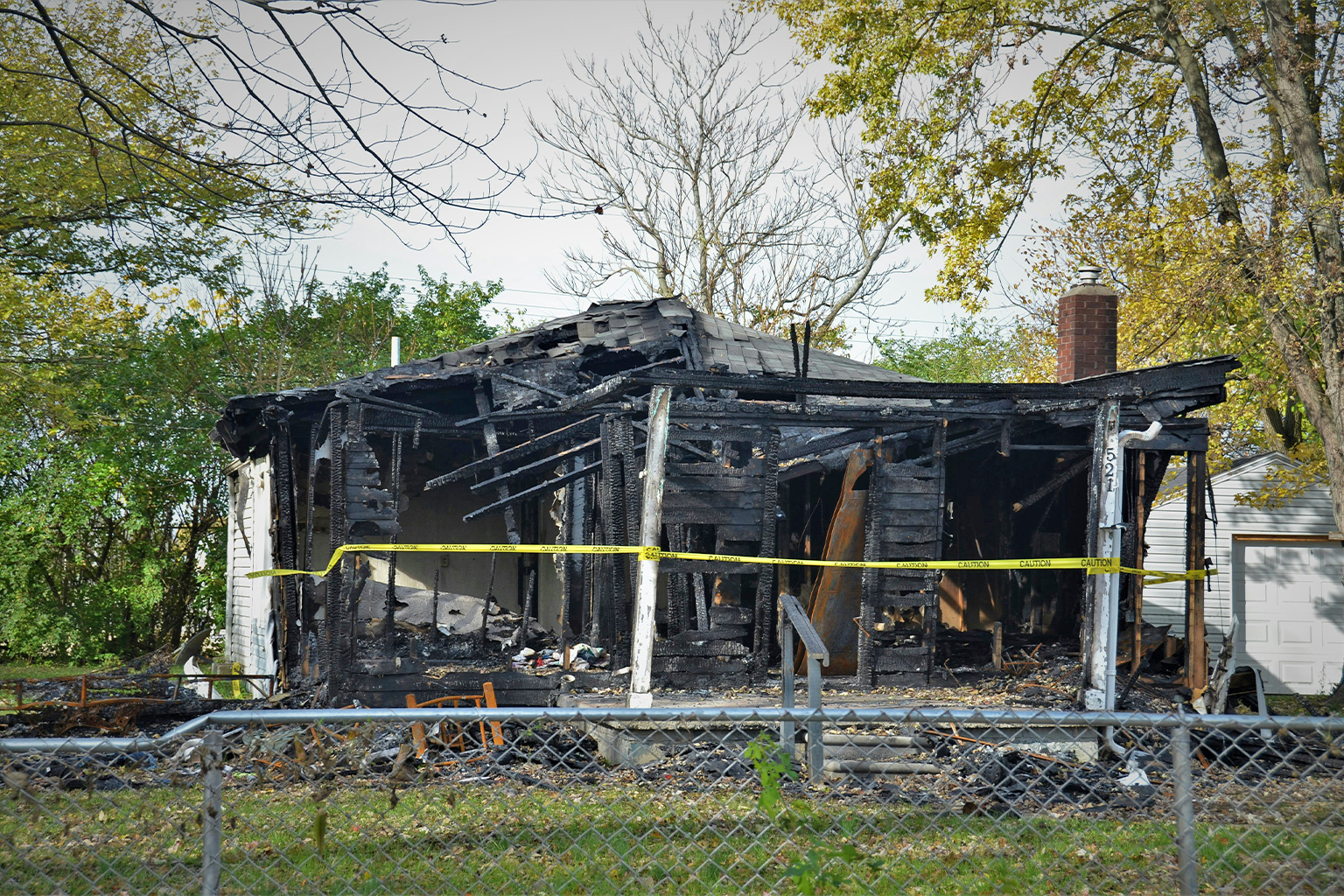
But wildfires don’t only burn their way through nature. As natural fires gain in intensity and frequency due to climate change, they are also burning their way through human infrastructure. Fires at the wildland-urban interface incinerate homes, factories, warehouses, stores, cars and their contents, including thousands of synthetic materials. The resulting smoke adds another complex toxic component to an already dangerous mix. Obviously, in fires like those that swept through urban Los Angeles earlier this year, it’s impossible to analyze smoke content as it wafts and mingles across neighborhoods.
“We don’t regulate much in terms of indoor air quality, and we let all sorts of chemicals and complex things into homes, and into building materials and furnishings … carpets and floors,” Habre said. “We’re seeing now all of that burned in wildfires.”
The aftermath of fires is also dangerous, as toxin-loaded soot settles on the ground, contaminates soils and aquifers, and becomes airborne again when the wind blows.
Researchers and health professionals are rushing to keep up with the complicated health risks posed by the incinerated toxins now fueling fires globally, while also trying to inform citizens, prepare them for wildfires, and offer tips to avoid smoke exposure.
“I think we have a long way to go in terms of regulations to protect things better, but hopefully the goal will be more integration of what we know about how things work in the environment, how they persist, and how they affect humans and their health in the long term,” Habre said.
Habre added that if humans are willing, the solutions to dealing with fires could be simple. “If laws started with a planetary health perspective, then you’re covering all your bases because humans also live in the environment,” Habre said. “The best way to protect yourself is to protect nature, ecosystems, and the environment. That’s your best defense.”
Wildfires impact children’s minds
Scientists agree that smoke impacts on youngsters’ physical health deserve more attention. The mental health impacts on children are equally important but even less studied.
“You look into the literature and you see papers on disaster or wildfire [related to] children. [But] when it comes to mental health, there are few,” said Medard Adu, a doctoral student in psychiatry at Dalhousie University in Canada. “Studies do not specifically speak about the mental health aspects of children.”
Adu, originally from Ghana, recently led a literature review on children’s mental health after wildfires. The team found just eight studies, mostly from high-income countries. But the data are worrying.
“As anticipated, we found out that children who faced these disasters — wildfire to be specific — had many mental health challenges,” Adu told Mongabay. “The most [common effect] I found was PTSD, which is post-traumatic stress disorder, followed by depression, anxiety, and hopelessness.”
The review noted that children’s mental resilience depends on factors like previous wildfire experience, whether they witnessed or lost a home to fire, and their gender. “The findings did indicate that among the children, females were the most affected by wildfire disaster,” Adu said.
Though 70% of landscape fires occur in Africa, very few studies explore the mental health impact on children there, or across all the Global South. While Adu acknowledged the lack of data, he offered a personal perspective on location and community, having grown up in Ghana.
“My father’s cocoa farm and maize farm burned many times, but it never had any effect on me [mentally],” Adu recalled, adding that watching a crop burn doesn’t have the same impact as losing your home or favorite childhood toy. But, when fires do cause harm to people and property, in his view, Africa’s response may have better mental health outcomes for a child.
“We live in communism,” he said, noting that if a home burns down, “the community will not wait for the government.” Extended family and neighbors step in immediately, softening the impacts of loss in ways often missing in more individualistic societies. “In Africa, the support systems, as opposed to the Western world, are a key factor in giving resilience to these children,” he suggested.
Adu emphasized the need for more research funding to create a proactive response by governments and schools to prepare children for a future in which wildfires and their mental health impacts will be worse. He noted that this preparation could mean the difference between inducing “post-traumatic growth” versus disorder.
“We need to conduct more longitudinal studies on the long-term mental health effects of wildfire on children who live in wildfire-prone communities,” Adu said. “The school systems should have mental health advocacy in place to educate children about the disasters and psychological or physical impacts.”

Wildfire smoke is a children’s health emergency
Research suggests hundreds of thousands of children die every year from breathing in smoke from wildfires, with 99% of those deaths occurring in low- and middle-income countries. Many more suffer lasting physical and mental health impacts.
Experts around the world, like Curto, Habre and Adu, emphasize that while smoke doesn’t stop at borders, monitoring and protections often do. More research and resources are urgently needed because the stronger the systems put in place, the better the chances of protecting the world’s youngest and most vulnerable.
Even a single new study can help shift things for the better, Curto said. “It’s true that with only one article, one scientific piece, it’s hard to change things. But [each] small grain is adding something. Hopefully, others follow the same path and produce the same type of research, so we can go to a policymaker and say, ‘Look, this is happening, this is real! There are lots of studies, all pointing in the same direction. This is bad for health. Please do something.’”
Banner image: Activists in Central Kalimantan, Indonesia, put masks on city statues as a symbol of protest against smoke from peatland wildfires. Image by Aulia Erlangga/CIFOR via Flickr (CC BY-NC-ND 2.0).
Climate futures: What’s ahead for our world beyond 1.5°C of warming?
Citations:
Miles, A., Sathyanarayana, S., Walker-Harding, L., Simpson, J. N., Smith, K., & Coyne-Beasley, T. (2024). The interplay of racism, climate, and the environment on child and adolescent health: Implications for pediatricians. Current Pediatrics Reports, 12(4), 168-176. doi:10.1007/s40124-024-00332-8
Rizzo, L. V., & Rizzo, M. C. (2025). Wildfire smoke and health impacts: A narrative review. Jornal de Pediatria, 101(1), S56-S64. doi:10.1016/j.jped.2024.11.006
Picciotto, S., Huang, S., Lurmann, F., Pavlovic, N., Ying Chang, S., Mukherjee, A., … Padula, A. M. (2024). Pregnancy exposure to PM2.5 from wildland fire smoke and preterm birth in California. Environment International, 186, 108583. doi:10.1016/j.envint.2024.108583
Wang, S. (2023). Effects of prenatal exposure to wildfires on children’s height and weight: Evidence from Russia. SSRN Electronic Journal. doi:10.2139/ssrn.4568803
Rossi, J., Yao, R., Alvarez, A., Patel, S., & Park, B. Y. (2024). Dwelling proximity to wildfire and spina bifida risk in offspring. The Journal of Maternal-Fetal & Neonatal Medicine, 37(1). doi:10.1080/14767058.2024.2397721
Cosemans, C., Bongaerts, E., Vanbrabant, K., Reimann, B., Silva, A. I., Tommelein, E., … Plusquin, M. (2024). Black carbon particles in human breast milk: Assessing infant’s exposure. Frontiers in Public Health, 11. doi:10.3389/fpubh.2023.1333969
Ciciretti, R., Barraza, F., De la Barrera, F., Urquieta, L., & Cortes, S. (2021). Relationship between wildfire smoke and children’s respiratory health in the metropolitan cities of Central-Chile. Atmosphere, 13(1), 58. doi:10.3390/atmos13010058
Brown, M. R., Agyapong, V., Greenshaw, A. J., Cribben, I., Brett-MacLean, P., Drolet, J., … Silverstone, P. H. (2019). Significant PTSD and other mental health effects present 18 months after the Fort McMurray wildfire: Findings from 3,070 grades 7-12 students. Frontiers in Psychiatry, 10. doi:10.3389/fpsyt.2019.00623
Xue, T., Geng, G., Li, J., Han, Y., Guo, Q., Kelly, F. J., … Zhu, T. (2021). Associations between exposure to landscape fire smoke and child mortality in low-income and middle-income countries: A matched case-control study. The Lancet Planetary Health, 5(9), e588-e598. doi:10.1016/S2542-5196(21)00153-4
Curto, A., Nunes, J., Milà, C., Nhacolo, A., Hänninen, R., Sofiev, M., … Tonne, C. (2024). Associations between landscape fires and child morbidity in southern Mozambique: A time-series study. The Lancet Planetary Health, 8(1), e41-e50. doi:10.1016/s2542-5196(23)00251-6
Plumlee, G. S., Morman, S. A., Meeker, G. P., Hoefen, T. M., Hageman, P. L., & Wolf, R. E. (2014). The environmental and medical geochemistry of potentially hazardous materials produced by disasters. Treatise on Geochemistry, 11, 257-304. doi:10.1016/b978-0-08-095975-7.00907-4
Adu, M. K., Agyapong, B., & Agyapong, V. I. (2023). Children’s psychological reactions to wildfires: A review of recent literature. Current Psychiatry Reports, 25(11), 603-616. doi:10.1007/s11920-023-01451-7
FEEDBACK: Use this form to send a message to the author of this post. If you want to post a public comment, you can do that at the bottom of the page.

link