River Stingray/The Aspen Times
1. Nat Geo Explorer comes to Aspen with what it means to be truly human while living with wolves
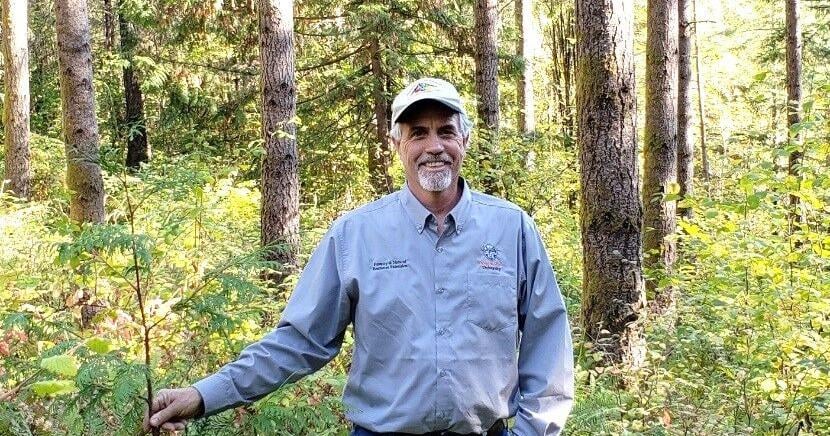
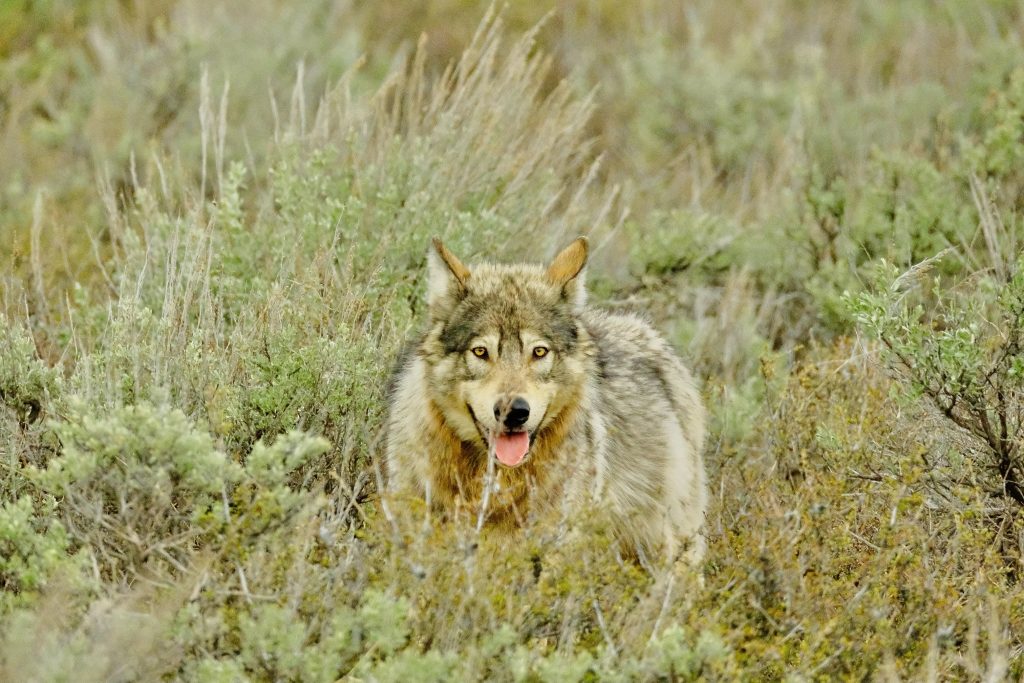
National Geographic Explorer Ronan Donovan, a wildlife biologist turned conservation photographer, will be coming to the Wheeler Opera House in Aspen on Dec. 16 to explore what it means to be human in the face of living with wolves.
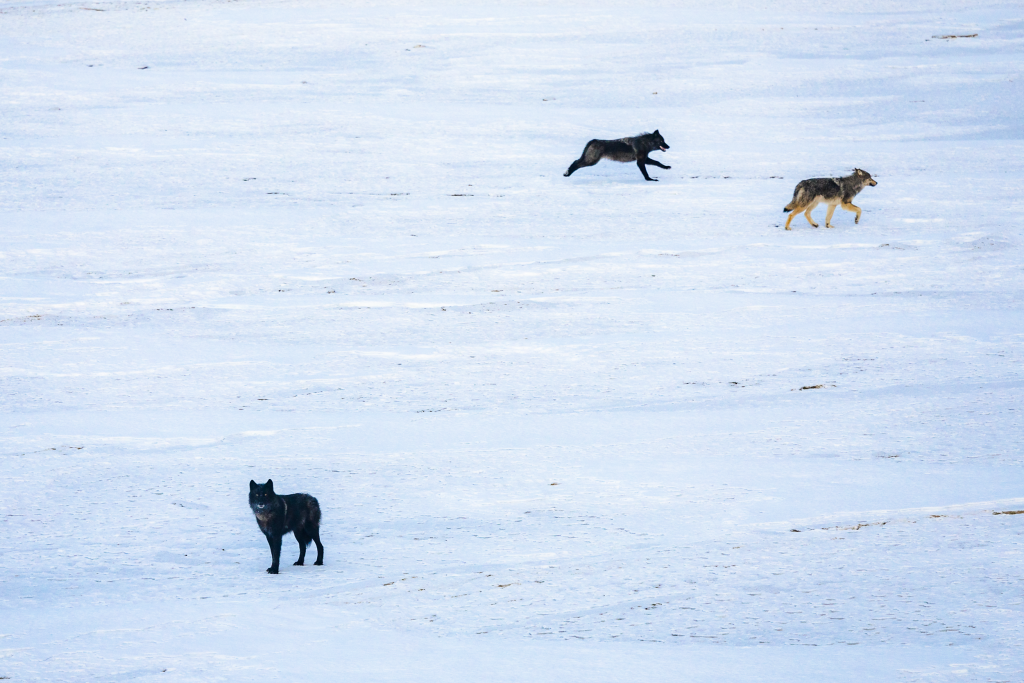
Donovan’s first ever talk in Aspen will take place from 7 to 8:30 p.m. as part of the Wheeler Opera House’s Changemaker Speaker Series and in partnership with the Aspen Center for Environmental Studies. According to the event’s website, the talk will look into what it means to be human through connection with other social mammals.
“I think that we’re at this interesting time in human history where we’re very much rushing away from the past, in the sense of a land-based connection and an animal-based connection to the natural world,” Donovan said. “We’re in this interesting in-between … this restless middle state where we don’t want to go back, we want to go forward, but we don’t know what forward is.”
— River Stingray
2. Bark beetles will overwinter in Aspen’s already-infected trees
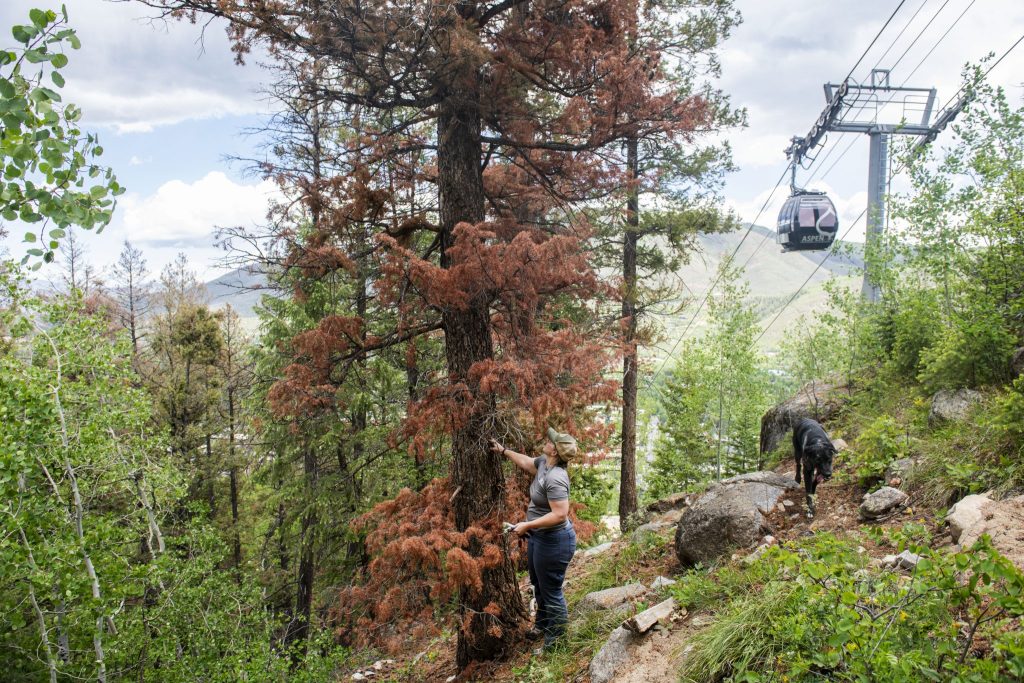
While bark beetles have been slowly infesting trees in Aspen, winter won’t offer any respite.
Aspen is currently home to the Douglas-fir beetle, the spruce beetle, the mountain pine beetle, Ips beetles, and the fir engraver beetle. Spruce beetles are “Colorado’s most destructive high-elevation bark beetle,” while the mountain pine beetle affects lodgepole, ponderosa, and limber pines, according to Aspen City Forester Heather Gale. Colorado State University Extension identifies 11 Ips species in Colorado, which are a specific type of bark beetle that develops under bark and tunnels through the tree. Fir engraver beetles attack subalpine fir, particularly trees weakened from drought.
The city of Aspen has been attempting to address bark beetle activity for decades, according to Gale, focusing most recently on the Douglas-fir beetle on Aspen Mountain.
— River Stingray
3. White-nose syndrome could be on its way in Aspen
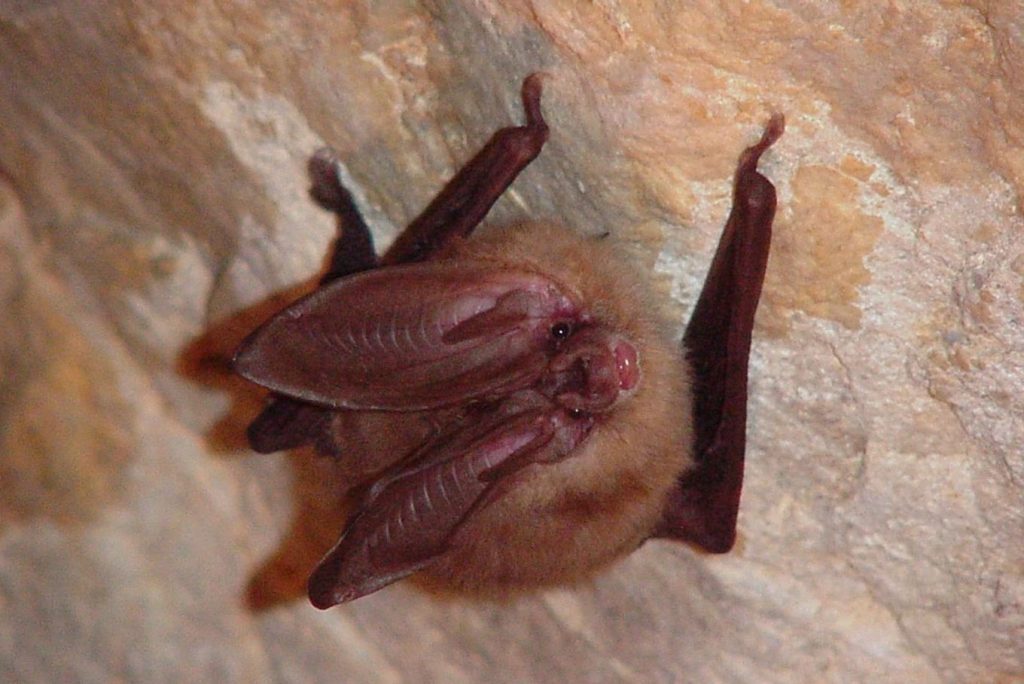
When a live bat was reported in Snowmass Village Dec. 5, it wasn’t out of the question to consider if it was suffering from white-nose syndrome.
“It was unusual to find a bat in the wintertime,” Carlyn Porter, emergency response and epidemiology program administrator for Pitkin County, told The Aspen Times. “With white-nose syndrome, the bats that should be hibernating are waking up.”
While there have been no confirmed cases in Pitkin County or the Roaring Fork Valley yet, Porter still sends bats in for testing and Colorado Parks and Wildlife is monitoring for the disease.
— River Stingray
4. Bears, moose, and deer mice, oh my! Winter doesn’t mean Aspen is out of the woods for wildlife
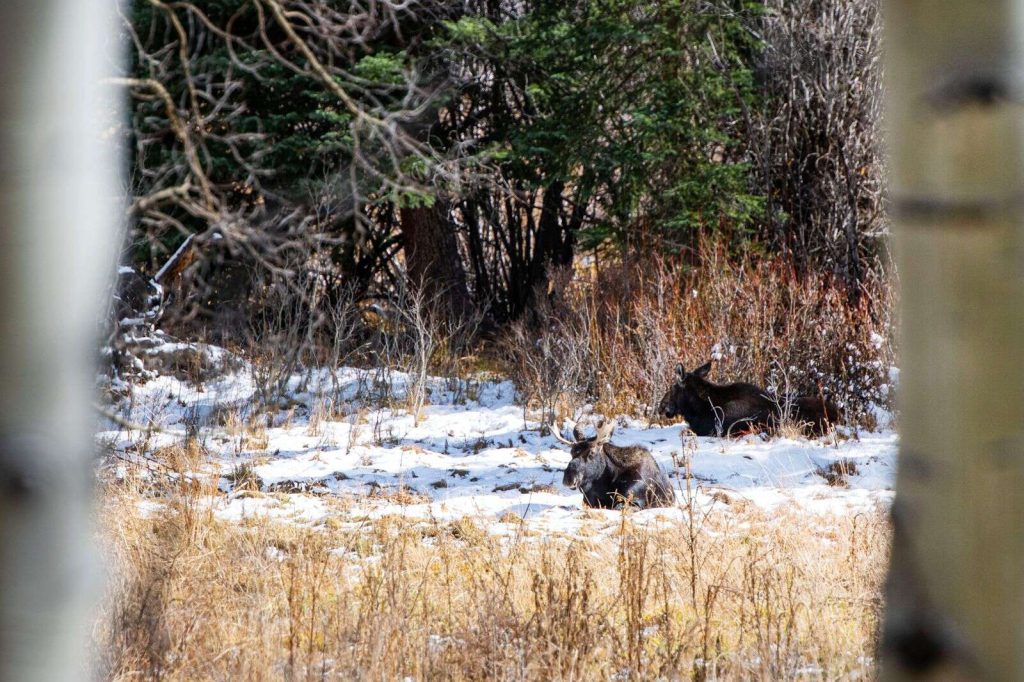
It’s that time of year again, when bear activity winds down in town, but the winter is far from over for most of the valley’s wildlife.
While bears have mostly headed into their dens, Wildlife Coordinator for Aspen Lara Xaiz said she’s aware of some bears still active in backyards, eating mostly grasses.
“We tend to have at least one bear sighting most months of the year,” Xaiz said. “Sometimes, they awaken during their torpor (a deep sleep) and come out of their dens to have a sniff around, then return to their dens for the rest of the winter.”
— River Stingray
5. Aspen public can help inform CPW’s new beaver management strategy
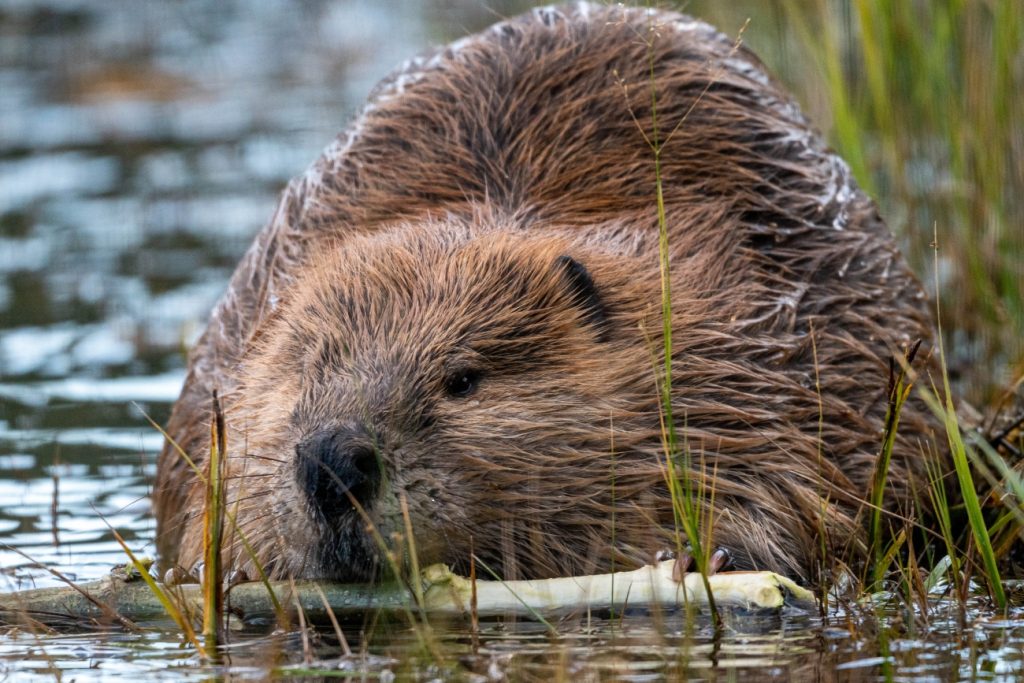
Colorado Parks and Wildlife is asking for public input through Dec. 17 after releasing its Beaver Conservation and Management Strategy.
The draft is available for review and public input can be submitted at engagecpw.org/beaver-conservation-and-management-strategy. CPW staff will consider all input received in order to inform the final version of the strategy.
According to a press release, the aim of the Beaver Strategy is to increase and sustain both beaver populations and beaver-influenced wetlands in suitable habitats across the state.
— River Stingray
link